How to Recover from Sleep Deprivation: A North County Guide

That persistent fog after a restless night is an all-too-common experience for professionals across North County, from Carlsbad to Rancho Santa Fe. This state, known as sleep debt, builds up faster than most realize, quietly chipping away at focus, mood, and overall vitality. It is a silent tax on our well-being.
When we skimp on deep, restorative sleep, our bodies and minds pay the price. The immediate effects are obvious—grogginess, irritability, and difficulty concentrating. The long-term consequences are far more serious, impacting everything from metabolic health to memory. That feeling of being "off" isn't just in your head; it's a physiological response to a critical deficit.
How Significant is Your Sleep Debt?
The first step toward recovery is understanding the depth of the issue. Many of us operate in a state of chronic sleep restriction without realizing it. The numbers are stark: recent data shows adults lose, on average, nearly three nights of restorative sleep every week.
This isn't something to simply brush off. The deficit has a compounding effect. As detailed in recent sleep survey findings on ResMed.com, sustained sleep loss can cause reaction times and attention to plummet by as much as fivefold.
The good news is that recovery is entirely possible with a deliberate strategy. The key is to recognize you cannot erase weeks of poor sleep in a single weekend. Real recovery is a process of consistently giving your body more rest than it needs to function for several days, allowing it a genuine chance to repair and reset.
Your Foundational Recovery Plan
A successful recovery journey is built on three essential pillars. These are not just tips; they are principles that work in concert to reset your internal clock and restore balance.
Radical Schedule Consistency: Go to bed and wake up at the same time every single day—even on weekends. This is non-negotiable for stabilizing your circadian rhythm, your body's internal 24-hour clock.
Strategic Rest Periods: This is not about random, long naps that disrupt your schedule. It involves intentionally extending your nightly sleep by one to two hours for several consecutive days to begin repaying the debt.
An Optimized Sleep Environment: Your bedroom must be a sanctuary for sleep. It must be dark, cool, and quiet. Most importantly, it needs to be outfitted with a sleep system that provides proper support and pressure relief. A mismatched mattress or pillow can actively sabotage your recovery by causing discomfort and forcing awakenings throughout the night.
Before diving deeper into daily actions, let's focus on the most critical steps for your first 48 hours. Consider this your immediate action plan to jumpstart the process.
Your Initial 48-Hour Sleep Recovery Checklist
This table summarizes the high-impact actions to prioritize right away. Focusing on these will yield the greatest return in the shortest amount of time.
Action Item | Target | Scientific Rationale |
|---|---|---|
Extend Nightly Sleep | Add 1-2 extra hours per night for both nights. | Directly addresses sleep debt by allowing more time for deep and REM sleep stages, crucial for cognitive and physical repair. |
Set a Fixed Wake-Up Time | Wake up at the same time both days (no sleeping in). | Anchors your circadian rhythm, making it easier to fall asleep at a consistent time moving forward. |
Get Morning Sunlight | 15-20 minutes of direct sunlight within an hour of waking. | Suppresses melatonin production and signals to your internal clock that the day has begun, boosting daytime alertness. |
No Caffeine After 12 PM | Zero caffeine (coffee, tea, soda, energy drinks) post-noon. | Caffeine has a long half-life and can interfere with your ability to fall into deep, restorative sleep later that night. |
Create a "Power Down" Hour | No screens, work, or stressful activities for 60 minutes before bed. | Lowers cortisol and allows your mind to transition into a restful state, promoting faster sleep onset. |
Following this checklist for just two days can make a profound difference in how you feel, setting a strong foundation for the rest of your recovery week.
Building Your Seven-Day Sleep Reset Protocol
Escaping a deep sleep debt is not about one marathon weekend sleep-in. That approach often backfires by disrupting your internal clock. True recovery is more akin to physical therapy for your sleep cycle—it requires a consistent, multi-day strategy to guide your body back to balance.
This seven-day protocol is a practical plan to gently reset your system, helping you shake off that persistent fog and reclaim your energy. It is designed for busy people in communities like Rancho Santa Fe and La Costa who need real results without completely upending their lives.
The Core Idea: Strategic Sleep Extension
The foundation of this week is a technique called sleep extension. It is simple but powerful: you consistently go to bed earlier to add an extra hour or two of sleep every single night.
This is not about sleeping until noon on Saturday, which can induce "social jetlag." Instead, it is a controlled, deliberate method of repaying your body's sleep debt. By adding that time in the evening, you give your brain a longer runway for its critical overnight maintenance—such as memory consolidation, cellular repair, and emotional processing.
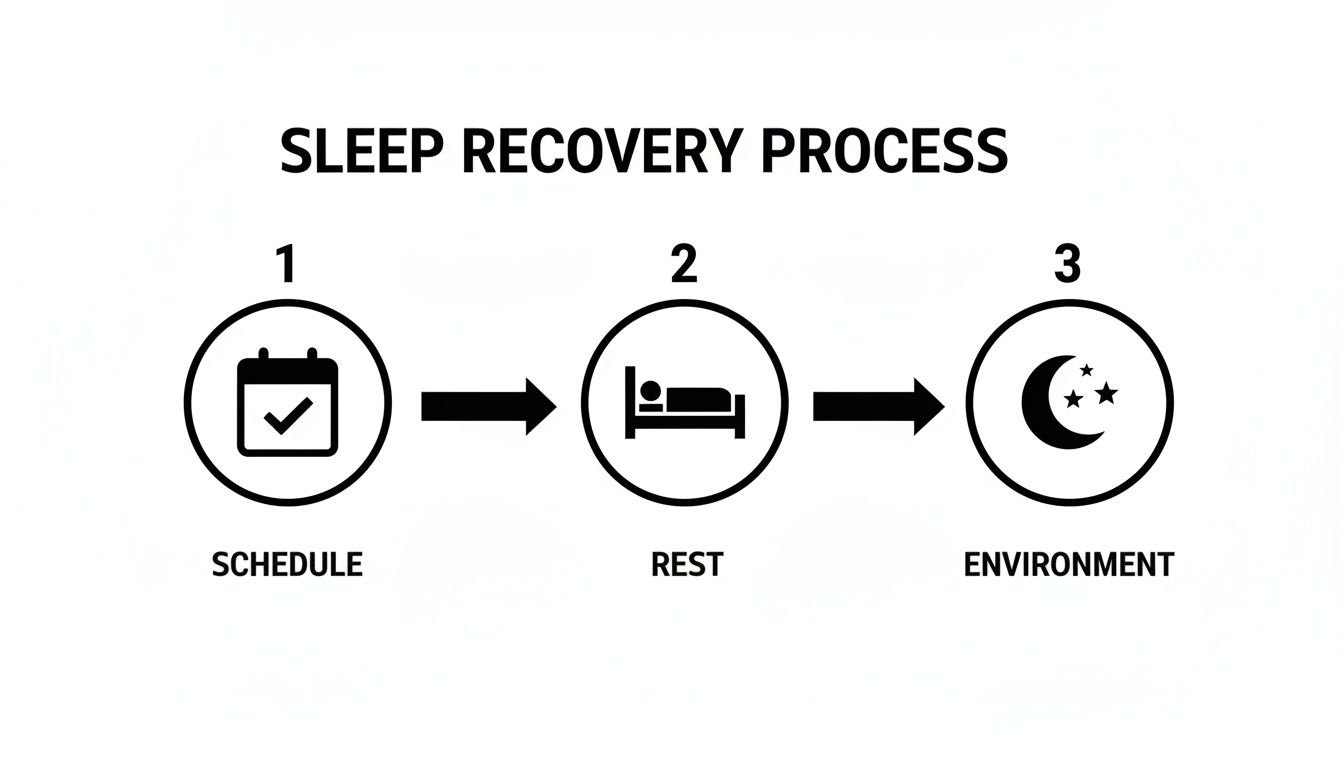
As the visual shows, achieving this means focusing on three elements at once: a consistent schedule, intentional rest, and a sleep-friendly environment. They must all work in harmony.
Your Daily Non-Negotiables for the Week
Consistency is paramount. Your goal is to send clear, repetitive signals to your body that it’s time to recover. Here are the daily actions to implement for the next seven days.
Anchor Your Wake-Up Time: Set an alarm for the exact same time every day, including the weekend. This is arguably the most important step for stabilizing your body clock.
Get Morning Light, Fast: Within 30 minutes of waking, get outside for at least 15 minutes of natural sunlight without sunglasses. This light halts melatonin production and signals to your brain that the day has officially started.
Enforce a Caffeine Curfew: Your last cup of coffee, tea, or caffeinated soda should be finished before noon. Caffeine can linger in your system for up to 10 hours, quietly sabotaging the deep sleep you need later.
Move Your Body (But Not Too Late): Aim for moderate exercise—a brisk walk, a yoga session, a light jog—in the morning or early afternoon. Avoid intense workouts within three hours of bedtime, as they can raise your core body temperature and make it harder to wind down.
A Quick Word on Napping: If you feel an afternoon dip in energy, a short nap can be effective. The key is to limit it to 20-25 minutes and ensure it happens before 2 p.m. This provides a cognitive boost without inducing grogginess or interfering with nighttime rest.
Fine-Tuning Your Evenings for Deeper Recovery
How you spend the last few hours before bed can make or break your recovery efforts. Your evening routine needs to be a clear signal to your brain that the day is over.
Start with your last meal. Aim to finish eating at least two to three hours before you plan to get into bed. This gives your digestive system time to work so it does not keep you awake.
Next, declare a "digital sunset" at least 60 to 90 minutes before bedtime. This means all screens—phones, tablets, TVs, laptops—are off. The blue light from these devices is known to suppress melatonin, the hormone that tells your body it is time to sleep. Swap scrolling for something analog, like reading a physical book, gentle stretching, or listening to calm music.
This screen-free buffer is non-negotiable. It allows your brain to shift from the hyper-engaged state of the day to a relaxed one, ready for sleep. If you are looking to refine your nightly habits, our guide on how to create a sleep schedule for truly restorative rest is an excellent next step.
Finally, prepare your bedroom. A cool, dark, and quiet room is not a luxury; it's a requirement for deep sleep. Turn down the thermostat, use blackout curtains, and eliminate any glowing lights or distracting noises. This optimized environment, paired with a supportive mattress and pillow, creates the perfect stage for your body's vital recovery work.
The Subtle Factors Robbing You of Restful Sleep

Sometimes the greatest obstacles to a restorative night are not the obvious ones. It is often the quiet, almost invisible habits woven into our daily lives that do the most damage. You might maintain a consistent schedule and avoid major pitfalls, yet still wake up feeling as if you have barely slept.
That is because modern life is filled with subtle saboteurs that slowly erode your sleep quality. This is not just about feeling tired. Chronic sleep deprivation is a massive problem, costing the world an estimated $818 billion a year in dementia-related expenses alone. With poor sleep linked to over 50 million dementia cases and 32.8% of adults globally not getting enough rest, the long-term impact is staggering. You can explore more of these sleep-related health findings on PMC.
Identifying these hidden culprits is the first step to reclaiming your nights.
The Caffeine and Alcohol Trap
Two of the most common offenders are caffeine and alcohol. That late-afternoon espresso or evening glass of wine might feel like a harmless ritual, but their effects linger long after the initial buzz fades, quietly disrupting your sleep architecture.
Caffeine's Long Shadow The 3 p.m. coffee you rely on to beat the afternoon slump has a half-life of about five to six hours. This means half the stimulant is still circulating in your system as you try to wind down, making it harder to fall asleep and robbing you of deep, slow-wave sleep.
How Alcohol Fragments Your Night While a glass of wine might induce drowsiness at first, it is detrimental to the second half of your night. As your body metabolizes the alcohol, it triggers a rebound effect. This leads to more frequent awakenings, night sweats, and a sharp reduction in REM sleep—the stage your brain needs for emotional balance and memory consolidation.
The Constant Glare of Blue Light
Perhaps the most widespread sleep saboteur of our time is the blue light emanating from our screens. The phones, tablets, and computers we use for work and connection all send a powerful signal to our brains: "It's still daytime. Stay awake."
This specific wavelength of light is incredibly effective at shutting down the production of melatonin, the hormone governing our sleep-wake cycle. When you scroll through your phone in bed, you are essentially delaying your body's natural sleep signals, which can throw your entire circadian rhythm out of sync.
Try This: The Digital Sunset A game-changing habit is to create a “digital sunset.” Shut down all screens at least 90 minutes before you plan to sleep. This screen-free buffer allows your melatonin levels to rise naturally, setting the stage for deep, uninterrupted rest.
When Your Bedroom Works Against You
Finally, your bedroom itself can be an unseen source of sleep disruption. Even small details in your environment can prevent you from getting the restorative rest you need.
Here are a few factors that quietly undermine sleep:
Small Noises: A humming refrigerator or distant traffic can cause "micro-arousals." You might not remember them, but they pull you out of the deepest sleep stages.
Stray Light: Even the dim glow from a digital clock or a streetlight peeking through the blinds is enough to interfere with melatonin production.
Stale Air: The air you breathe all night directly impacts your rest. It is worthwhile to understand what indoor air pollution is and how it affects your home, as these environmental factors can be significant yet overlooked sleep disruptors.
By identifying and addressing these issues, you begin to treat the root causes of your sleep deprivation instead of just managing symptoms. This is how you build a foundation for a truly restorative night, every night.
Turn Your Bedroom Into a Recovery Sanctuary

Your bedroom needs to be more than just a place to sleep. To truly recover from sleep debt, think of it as your personal sleep sanctuary—a space engineered for deep, uninterrupted rest. While the basics like a dark, quiet room are an excellent start, full recovery requires more intention.
This means treating your bed not as furniture, but as a high-performance sleep system. Every component, from the mattress core to your pillow, has a specific function. When they work in harmony, you do not just sleep; you actively restore your body and mind.
Beyond Comfort: The Science of a Luxury Mattress
The greatest misconception about a luxury mattress is that it is merely about feeling soft. True luxury is found in the science of support. A mattress has one primary goal: to keep your spine in a neutral, relaxed line all night, regardless of your sleep position.
If your mattress is incorrect for you—too firm, too soft, or simply worn out—it creates pressure points, typically at the shoulders and hips. Your body’s natural response is to toss and turn, which pulls you out of the deepest, most restorative stages of sleep. This constant disruption is a significant roadblock to recovery. You can learn more about the critical link between sleep and mental health at Columbia Psychiatry.
How Natural Materials Enhance Deep Sleep
What is inside your mattress is as important as its support system, especially concerning temperature. Overheating is a leading cause of restless nights. Unfortunately, many mass-market mattresses are filled with synthetic foams that trap body heat.
Premium sleep systems utilize natural, breathable materials that work with your body.
Natural Wool: Wool is a natural climate regulator. It wicks moisture away, keeping you cool and dry in the heat and warm in the cold, creating an ideal microclimate for sleep.
Natural Latex: Sourced from rubber trees, natural latex has an open-cell structure that allows air to flow freely. It provides a buoyant, responsive feel while preventing heat buildup.
These materials are not just for eco-conscious consumers; they are performance-driven. A mattress that breathes helps you stay in deep sleep longer, which is precisely what your body needs to recover. Our guide on the best temperature for sleeping at night dives deeper into creating the perfect sleep climate.
A truly premium mattress is often two-sided and hand-tufted. This artisanal technique compresses layers together without toxic glues, creating a more durable, responsive, and breathable surface.
Assembling Your Personalized Sleep System
The mattress is the foundation, but a complete system supports your body from head to toe. This is where a personalized fitting becomes a game-changer. A true system includes the mattress, pillow, and base, all working in sync.
A pillow fitting is essential. The ideal pillow for a broad-shouldered side sleeper is completely different from what a back sleeper requires. The goal is to fill the space between your head and the mattress, keeping your neck aligned with your spine. An incorrect pillow can lead to neck pain and restlessness.
Finally, an adjustable base can enhance your recovery. Elevating your head slightly can help with acid reflux or snoring. Raising your legs can improve circulation and relieve pressure on your lower back. This level of customization removes final barriers to deep, healing rest.
When to Seek Professional Sleep Guidance
Lifestyle and bedroom adjustments can be incredibly effective for recovering from sleep deprivation. For most people, that is sufficient. However, sometimes that bone-deep exhaustion signals something more than just a few late nights.
Knowing when to look beyond self-help and consult an expert is key to protecting your long-term health. If you have followed a solid recovery plan for several weeks and still feel completely drained, it may be time for a consultation.
Recognizing the Red Flags
There is a significant difference between the fatigue from a demanding work week and the chronic symptoms of an underlying issue. Certain symptoms are clear signals that your body needs more support than a new schedule or better sleep hygiene can provide.
Never ignore these red flags. Pay close attention if you or your partner have noticed any of the following:
Loud, Chronic Snoring: This is disruptive, persistent snoring, especially if punctuated by gasps or pauses in breathing, a primary indicator of sleep apnea.
Waking Up Gasping or Choking: A classic sign that your airway is becoming blocked during sleep, a hallmark of obstructive sleep apnea.
Inability to Fall or Stay Asleep: If you lie awake night after night, exhausted but wired, you may be dealing with chronic insomnia.
Overwhelming Daytime Sleepiness: If you are so tired during the day that you struggle to stay awake at your desk or behind the wheel—even after spending 7 to 8 hours in bed—it is time to seek professional advice.
If any of these sound familiar, your first step should be a conversation with your primary care physician or a sleep specialist.
The Role of a Certified Sleep Coach
While a medical doctor diagnoses sleep disorders, a Certified Sleep Coach plays a different but complementary role. We are your guides and educators, helping you dial in the environmental and behavioral factors crucial for deep, restorative rest.
We partner with you to build a sleep strategy that is sustainable.
A common scenario we see in our Carlsbad showroom is a client with a good mattress but the wrong pillow. This mismatch creates neck pain and restlessness, preventing deep sleep. A simple, expert-led pillow fitting can solve a problem that has persisted for years.
A personalized consultation bridges the gap between knowing what you should do and understanding how to apply it to your unique body and life. For a deeper look into this process, you can learn more about what to expect from a professional sleep consultation in our guide.
Our goal is to provide you with the tools to take back control of your nights, whether that means fine-tuning your habits or recognizing when it’s time to consult a medical specialist.
Cultivating a Lifestyle of Restorative Sleep

True recovery is not a one-time fix. It is a permanent mindset shift—viewing sleep not as a nightly task but as a foundational pillar of a well-lived life. This is the only way to prevent sleep debt from recurring.
Consider that rest is a vital biological process, like nutrition and exercise. At a cellular level, sleep is when our mitochondria—the power plants inside our cells—repair and recharge. When we shorten that process, cellular function degrades. The result is that familiar, heavy-headed feeling of fatigue and mental fog.
A lifestyle of restorative sleep means you actively protect that crucial period of nightly restoration.
Navigating Life’s Interruptions
Consistency is easy when life is calm. But travel, deadlines, and stress are inevitable. The key is not to avoid disruption but to have a plan to get back on track quickly, so one bad night does not snowball into a week of exhaustion.
When Traveling: Upon arrival, get morning sunlight. This is the fastest way to start resetting your internal clock. Adjust your watch to the local time immediately and try to adhere to local meal and sleep schedules.
During Stressful Periods: Your wind-down routine becomes non-negotiable. Fiercely protect that last hour before bed. When cortisol is high, your body needs those calming signals more than ever.
After an Occasional Late Night: Resist the urge to sleep in for hours. It may feel good in the moment but disrupts your schedule. Instead, wake up at your regular time and aim for a strategic 20-minute power nap in the early afternoon.
Having these simple protocols ready means you can handle life's curveballs without sacrificing the consistency your body needs.
The Compounding Benefits of Prioritizing Rest
Investing in your sleep pays dividends across every area of your life. At first, you will notice the obvious benefits: more energy, sharper focus, a better mood. The real magic, however, happens over time.
Consistent, high-quality sleep bolsters your immune system, helps regulate the hormones that control appetite and stress, and is essential for memory consolidation and emotional regulation.
Think of your sleep system as your most important piece of wellness equipment. You wouldn’t run a marathon in poor-quality shoes; why spend a third of your life on a mattress that undermines your health? Investing in a properly fitted mattress and pillow is a direct investment in your long-term well-being.
Your Path to Lasting Change
Building sustainable habits takes time and intention. This journey is not about perfection; it is about consistent, mindful effort. By understanding the science behind rest and creating an environment that supports it, you unlock a level of vitality you may have thought was lost.
Beyond just catching up, the goal is to integrate restorative sleep into your life. For more practical tips, this resource on how to improve sleep quality is a fantastic starting point.
Making restorative sleep an effortless part of your daily rhythm is one of the most powerful actions you can take for your health and longevity. It is the foundation for a vibrant, productive, and fulfilling life.
At Golden Dreams Mattress in Carlsbad, every guest enjoys a private concierge fitting with a Certified Sleep Coach. Book a free 20-minute virtual sleep consultation with a Certified Sleep Coach.

Comments